The Royal Navy’s Longest Battle in History: The Four Days’ Battle, 11-14 June 1666

The year was 1666, and the Second Anglo-Dutch War was in its second year. Between 11 and 14 June, the southern North Sea became the stage for an epic encounter between two of the greatest naval powers of the time: England and the Dutch Republic. Over four days, a fleet of 60 ships under George Monck clashed with 86 vessels commanded by Michiel de Ruyter, the scourge of Stuart England. Around 7,000 men were killed, wounded, or captured in the aftermath. Twenty-four warships were lost, multiple admirals perished, and one was even taken prisoner. This is the story of the longest battle ever fought by the Royal Navy.

The Tragic loss of the Amphion, 22 September 1796

As the explosion occurred, Pellew was thrown vertically against the upper deck carlings and left temporarily stunned. Regaining his senses, he launched himself out of the shattered stern windows onto the hulk lying alongside. The lieutenant miraculously escaped injury by jumping out of another stern window and swimming for his life. The cabin sentry survived too, although he was never able to recall how.

Crime and Punishment: Maintaining Discipline in the Navy

The French philosopher Voltaire famously wrote these words when news of Admiral Byng’s execution in 1757 arrived from across the Channel. The event highlighted Britain’s relentless expectations of its naval personnel. Not even a man of aristocratic stock like Byng was spared the ultimate punishment when he failed to fulfill his duty. By the time of Byng’s demise, an ethos of invincibility on the seas had become ingrained in the British spirit. When Vice Admiral Nelson raised the signal “England expects that every man will do his duty” at Trafalgar, he meant that he expected nothing less than absolute victory. Unwavering discipline was considered a central pillar upon which this naval success rested. The downside of such a mentality was that severe punishment awaited those who failed to perform their duty. This article aims to briefly address the topic of discipline and punishment in the Royal Navy during the 18th century.

Cod, Courage, and Sovereignty: Canada’s Fisheries Protection Before the Navy

In the pre-Navy era of the late 1800s, Canada learned to navigate its own course on the high seas – starting with the protection of fisheries and ending with the birth of the Royal Canadian Navy. The Fisheries Protection Service, though modest in size, was monumental in significance. It was Canada’s first naval force in all but name, forged in response to very real threats to the young nation’s resources and sovereignty. Through bold actions like the seizure of poaching schooners, Canada sent an early message that it would stand up for itself, even on water. These efforts bolstered Canada’s confidence as a sovereign nation and provided practical experience in naval affairs.

The Birth of a Legend: The Construction of HMS Victory

The year is 1758, and the Seven Years' War has been raging around the world for nearly two years with no clear victor in sight. The Royal Navy was working tirelessly to deliver a decisive victory for king and country. On 14 July, Prime Minister William Pitt the Elder ordered the construction of 12 additional ships of the line to bolster the fleet, including one first-rater. A few days later, at Chatham Dockyard, construction began on a leviathan destined to change the course of history.

Cementing British Naval Dominance in the Mediterranean: The Capture of Minorca (September 1708)

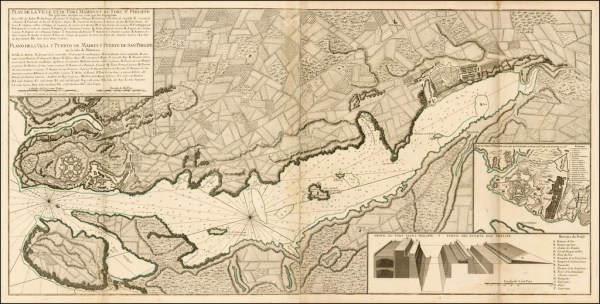
After the failed siege of Toulon, the Royal Navy was still in need of a proper naval base in the Mediterranean. This need became even more pressing when the Allied position in Spain was compromised following the Battle of Almansa. On 25 April 1707, the Duke of Berwick inflicted a crushing defeat on the combined English, Dutch, and Portuguese army in the Iberian Peninsula, reducing their presence to Catalonia. As a result, securing Catalonia for Archduke Charles—now King Charles III of Spain—became the new priority for the Alliance.  However, the Allied forces in and around Barcelona were struggling with severe provisioning issues. Establishing a permanent naval base in the western Mediterranean was seen as essential to ensuring the steady flow of troops and supplies to the Spanish front. Port Mahon, Minorca, emerged as the preferred target.

The Silent Lifeline: Unveiling the Indispensable Role of the British Merchant Marine in World War I

While the Royal Navy's combatant fleet undeniably played a pivotal role in maintaining Britain's maritime supremacy, a less heralded yet equally vital component of its wartime structure was the Naval Transport Service. This often-overlooked arm, largely comprised of commandeered merchant vessels, formed the silent lifeline that sustained the Allied war effort, transporting millions of troops, wounded personnel, and essential supplies across vast distances.

Create a website or blog at WordPress.com

Up ↑