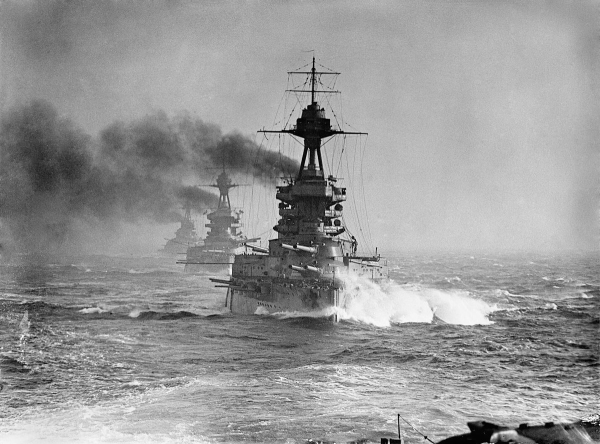
Leading the British Grand Fleet at the titanic clash with the Germans off Jutland between 31 May and 1 June 1916 was HMS Iron Duke. Despite not being the most modern British battleship present, she retained the honour of serving as the flagship of the largest concentration of dreadnoughts the world had ever seen. She could rely on the support of a further 36 capital ships, including her two sisters, Benbow and Marlborough. Their modern design ensured these ships’ survival well into the interwar period, while most of their dreadnought colleagues were discarded immediately after the war. What made the Iron Duke-class so special, and what were her flaws?
To Boldly Go Where No Man Has Gone Before: Charles Rumney Samson (1883-1931)
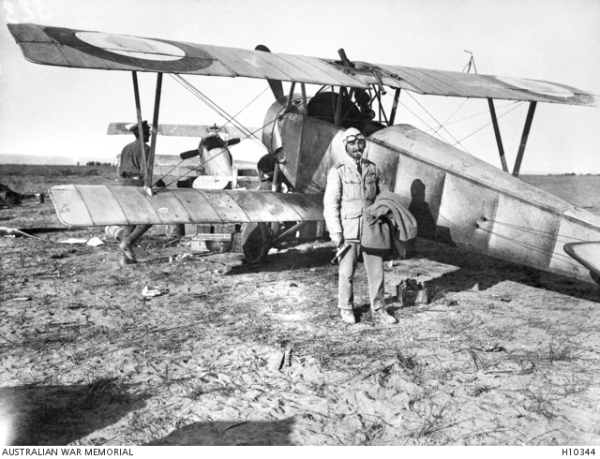
From the skies over Eastchurch to the sands of Arabia, from the stormy northern seas to the scorching Indian Ocean, Charles Rumney Samson had a storied career that spanned the early days of aviation, the First World War, and the formative years of the Royal Air Force, playing a crucial part in each. He was a pioneer who brought naval aviation to new heights, and a trusted commander who led by example. Samson’s life is the stuff of Hollywood films — a source of inspiration, but, first and foremost, a key figure in understanding the rise of naval aviation. This is his life.
Humble Beginnings: The Origins of the Royal Naval Air Service (1908-1914)
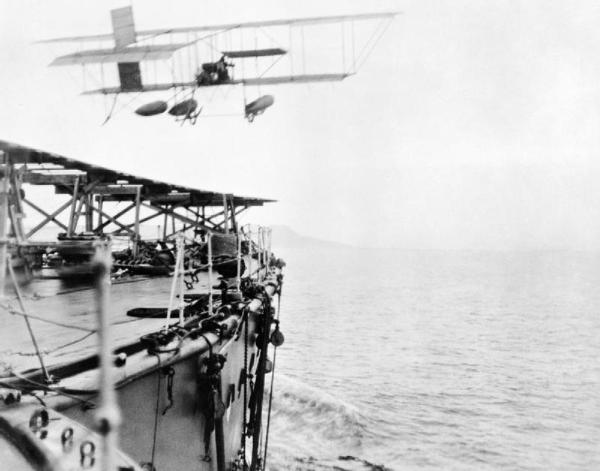
As soon as the Wright brothers took to the skies in 1903, one huge leap forward for mankind was made. Aviation soon became an international obsession, as American and European pioneers risked their lives to further refine the art of flight and secure new records. As with every developing technology at the time, the military also started looking into aviation as a potential asset. In 1910, the U.S. Navy took home the honour of launching, for the first time, a plane from a warship, as Eugene Ely took off from the USS Birmingham. The Royal Navy couldn’t afford to trail behind and initiated its own enquiries into aviation. By the outbreak of World War I, the navy could boast its own Royal Naval Air Service, possessing a respectable fleet of aircraft and airships capable of carrying out a myriad of tasks. It was, however, a long and winding road to get there. This is the story of the humble beginnings of the Royal Naval Air Service during those defining years of the dawning 20th century.
The Gateway to Conquering Canada: The Siege of Louisbourg (1758)
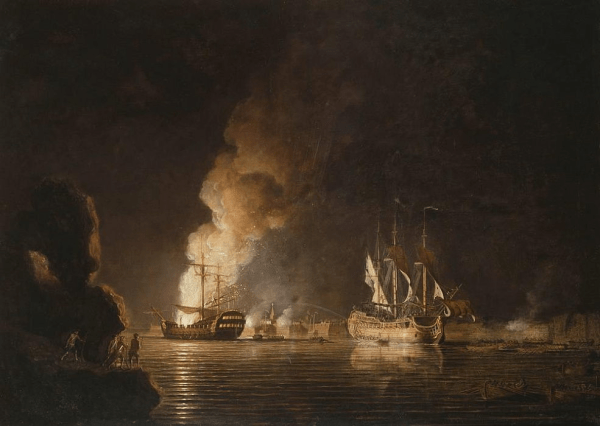
After an unsuccessful campaign against the French fortresses around the Great Lakes, the British changed their tactics. They would strike at the heart of French Canada: Quebec. To do so, however, they first had to capture the formidable fortress of Louisbourg.
The First Ostend Raid, 23-24 April 1918
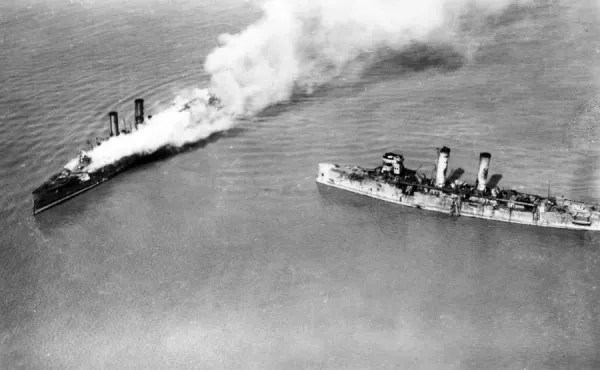
On the night of 23 to 24 April 1918, the Royal Navy launched assaults on the Belgian port cities of Ostend and Zeebrugge. While the Zeebrugge Raid gained fame due to the heroics of the marines aboard the Vindictive, the operation against Ostend has largely been forgotten.
The Australian Navy’s First Victory: The Battle of Cocos, 9 November 1914
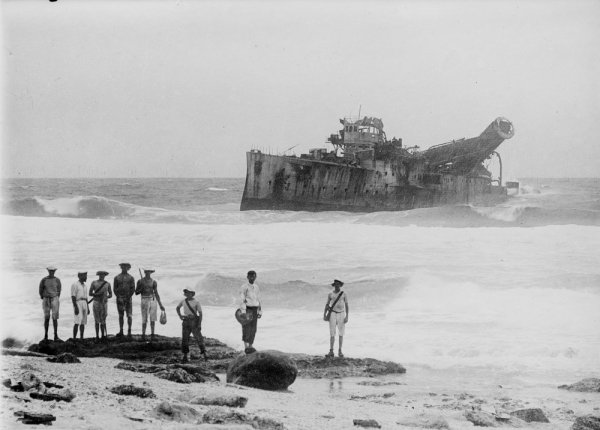
The Battle of Cocos was an important victory for the Australians, as it signaled their arrival on the high seas with their own navy. Victories such as this stimulated nationalistic sentiment back home and became ingrained in the Australian national conscience, alongside the sacrifices made by the ANZACs in Europe and at Gallipoli.
The Silent Lifeline: Unveiling the Indispensable Role of the British Merchant Marine in World War I
While the Royal Navy's combatant fleet undeniably played a pivotal role in maintaining Britain's maritime supremacy, a less heralded yet equally vital component of its wartime structure was the Naval Transport Service. This often-overlooked arm, largely comprised of commandeered merchant vessels, formed the silent lifeline that sustained the Allied war effort, transporting millions of troops, wounded personnel, and essential supplies across vast distances.
The Man who Defeated the German U-Boats: Max Horton
This man was as crucial to the Allied victory as Field Marshal Montgomery. Between 1942 and 1945, he developed aggressive tactics to combat Germany’s U-boat menace. A modest yet confident man, he always maintained a professional distance from his employees. Nevertheless, all who worked for him came to respect and trust his decisions. This is the life of Max Horton.
The First Clash of Battlecruisers: The Battle of Dogger Bank, 24 January 1915
On January 24, 1915, a battle took place near Dogger Bank between Franz von Hipper’s German squadron and David Beatty’s British battlecruisers. The clash resulted in the sinking of a German armored cruiser, while the British suffered few casualties. This was the first time the most prized assets of the German and British navies—the battlecruisers—met at sea. However, the British mostly remember this engagement as a missed opportunity. This is the story of the Battle of Dogger Bank.
The German Raid on Scarborough, Hartlepool and Whitby, 15-16 December 1914
Just a few days before Christmas in 1914, the German Navy launched a daring nighttime raid on several English coastal towns. The attack sparked controversy due to the Royal Navy’s failure to prevent it. However, the British government later turned public outrage to its advantage. The German "barbaric" attacks on Scarborough, Hartlepool, and Whitby became a rallying cry, urging young men to enlist in the army. The propaganda posters created in response to this incident remain some of the most iconic examples of British wartime messaging during the First World War.