
Today we are looking into another warrant officer of Nelson's navy: the boatswain. Feared for his cane and respected for his experience, who was he, and what were his duties aboard a man-o'-war?
Who was the Boatswain in Nelson’s time?

Today we are looking into another warrant officer of Nelson's navy: the boatswain. Feared for his cane and respected for his experience, who was he, and what were his duties aboard a man-o'-war?

The Spithead and Nore mutinies of 1797 are generally considered as one of the darkest chapters from the Royal Navy's history, when two fleets of the navy refused to sail out. The mutinies rank among the most significant instances of collective resistance in eighteenth-century Britain, yet they have been comparatively overlooked in recent historical scholarship. Callum Easton contests the dominant interpretation that views these events as revolutionary uprisings, contending instead that the mutineers were primarily driven by their own sense of “fairness” and the pursuit of just pay. In doing so, it offers a lens through which to examine core aspects of British society, including ideas of mutual rights and obligations, and the relationship between the state and its citizens.
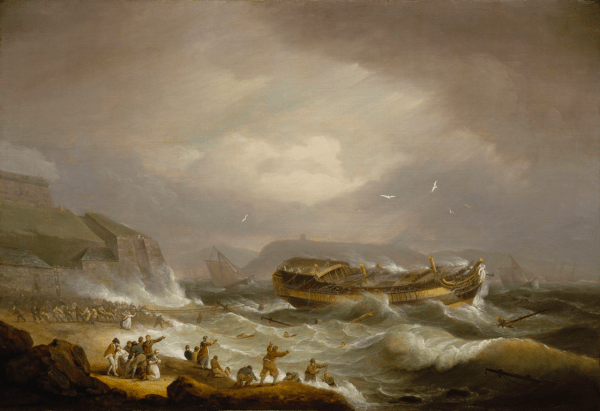
In January 1796, the East Indiaman Dutton was wrecked in Plymouth Sound while carrying hundreds of troops for a military expedition to the West Indies. The exact number of lives lost was never determined, but although it may have been as many as twenty, it was thankfully hundreds fewer than it might have been—thanks to the exertions of Captain Pellew.
 Heart of Oak