
Today we are looking into another warrant officer of Nelson's navy: the boatswain. Feared for his cane and respected for his experience, who was he, and what were his duties aboard a man-o'-war?
Who was the Boatswain in Nelson’s time?

Today we are looking into another warrant officer of Nelson's navy: the boatswain. Feared for his cane and respected for his experience, who was he, and what were his duties aboard a man-o'-war?

The Spithead and Nore mutinies of 1797 are generally considered as one of the darkest chapters from the Royal Navy's history, when two fleets of the navy refused to sail out. The mutinies rank among the most significant instances of collective resistance in eighteenth-century Britain, yet they have been comparatively overlooked in recent historical scholarship. Callum Easton contests the dominant interpretation that views these events as revolutionary uprisings, contending instead that the mutineers were primarily driven by their own sense of “fairness” and the pursuit of just pay. In doing so, it offers a lens through which to examine core aspects of British society, including ideas of mutual rights and obligations, and the relationship between the state and its citizens.
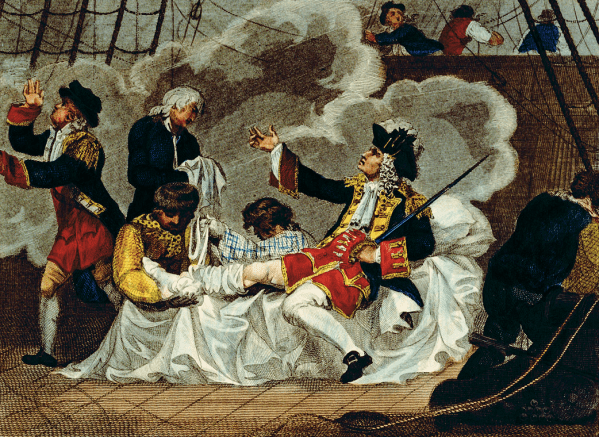
When England went to war with the Franco-Spanish alliance, led by the Bourbon royal house, the first concern of the island nation was the situation in the West Indies. Taking advantage of his kinship with the new Spanish monarch, French king Louis XIV managed to secure many trading privileges which allowed France to profit immensely from the mythical wealth of the Spanish main to the detriment of Dutch and English merchants. The Admiralty decided to commission one its most potent commanders to take care of the pressing situation across the Pond: Vice-Admiral John Benbow. For all his heroics, his campaign in the Caribbean would end in betrayal and disappointment.
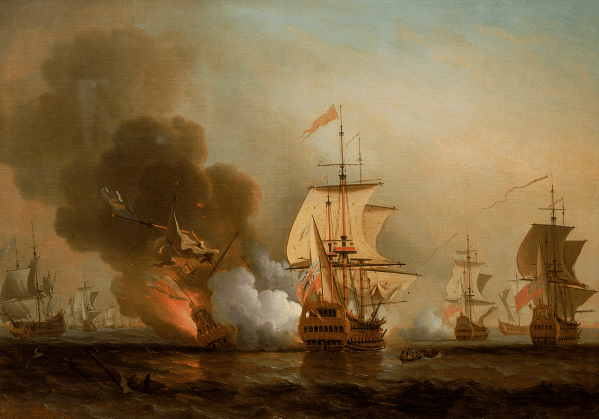
"Once the pride of the Spanish Treasure Fleet, the only evidence of the stricken galleon’s existence was scattered timbers, illuminated by the last rays of the setting sun, gently brushing against one another and marking the graves of some six hundred men, now embraced by the eternity of the deep blue."
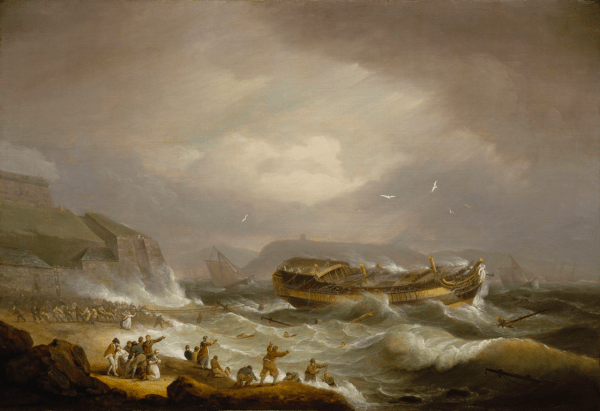
In January 1796, the East Indiaman Dutton was wrecked in Plymouth Sound while carrying hundreds of troops for a military expedition to the West Indies. The exact number of lives lost was never determined, but although it may have been as many as twenty, it was thankfully hundreds fewer than it might have been—thanks to the exertions of Captain Pellew.
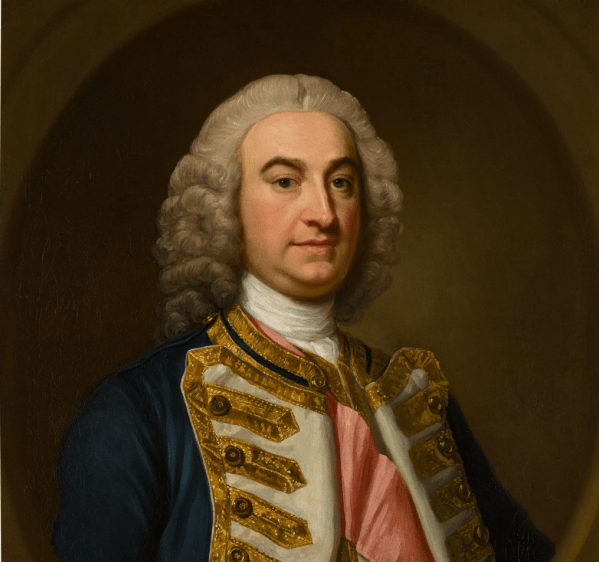
"The Seven Years’ War finally came to an end in February 1763 with the Treaty of Paris. Britain had emerged as a true world empire, with sovereignty over the seas. Hawke’s leadership throughout the war had been instrumental"
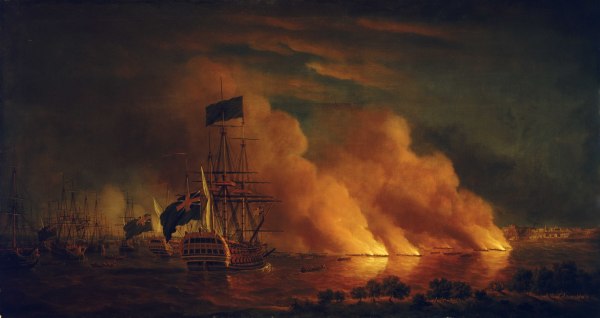
Wolfe must have been well aware that this significant victory had secured him an honorable place in the annals of British military history. Once the news reached the shores of his homeland, the late general became known as “The Hero of Quebec,” “The Conqueror of Quebec,” or even more boldly: “The Conqueror of Canada.” The latter title was certainly no exaggeration: Quebec was the main stronghold of French North America, and its capture was tantamount to the conquest of all of Canada.
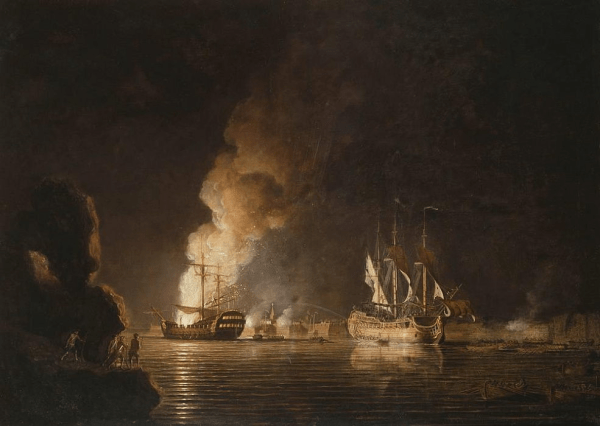
After an unsuccessful campaign against the French fortresses around the Great Lakes, the British changed their tactics. They would strike at the heart of French Canada: Quebec. To do so, however, they first had to capture the formidable fortress of Louisbourg.

As the explosion occurred, Pellew was thrown vertically against the upper deck carlings and left temporarily stunned. Regaining his senses, he launched himself out of the shattered stern windows onto the hulk lying alongside. The lieutenant miraculously escaped injury by jumping out of another stern window and swimming for his life. The cabin sentry survived too, although he was never able to recall how.

The French philosopher Voltaire famously wrote these words when news of Admiral Byng’s execution in 1757 arrived from across the Channel. The event highlighted Britain’s relentless expectations of its naval personnel. Not even a man of aristocratic stock like Byng was spared the ultimate punishment when he failed to fulfill his duty. By the time of Byng’s demise, an ethos of invincibility on the seas had become ingrained in the British spirit. When Vice Admiral Nelson raised the signal “England expects that every man will do his duty” at Trafalgar, he meant that he expected nothing less than absolute victory. Unwavering discipline was considered a central pillar upon which this naval success rested. The downside of such a mentality was that severe punishment awaited those who failed to perform their duty. This article aims to briefly address the topic of discipline and punishment in the Royal Navy during the 18th century.
 Heart of Oak