From Stem to Stern: The Iron-Duke Class Super-Dreadnoughts
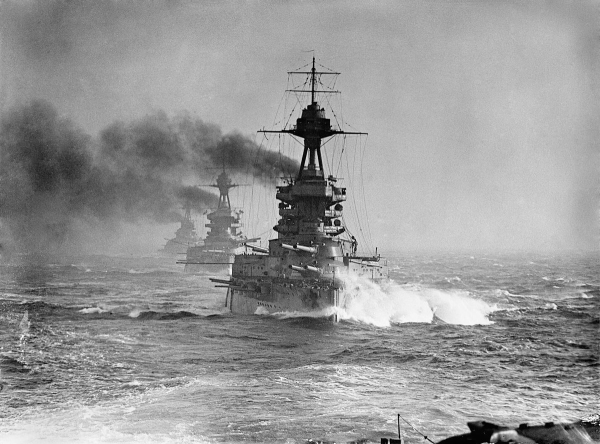
Leading the British Grand Fleet at the titanic clash with the Germans off Jutland between 31 May and 1 June 1916 was HMS Iron Duke. Despite not being the most modern British battleship present, she retained the honour of serving as the flagship of the largest concentration of dreadnoughts the world had ever seen. She could rely on the support of a further 36 capital ships, including her two sisters, Benbow and Marlborough. Their modern design ensured these ships’ survival well into the interwar period, while most of their dreadnought colleagues were discarded immediately after the war. What made the Iron Duke-class so special, and what were her flaws?

To Boldly Go Where No Man Has Gone Before: Charles Rumney Samson (1883-1931) 

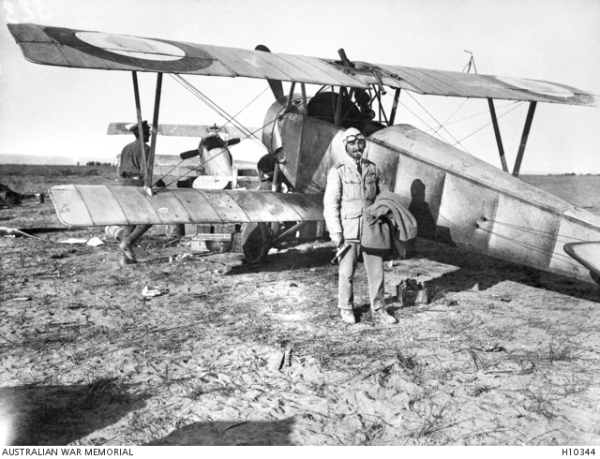
From the skies over Eastchurch to the sands of Arabia, from the stormy northern seas to the scorching Indian Ocean, Charles Rumney Samson had a storied career that spanned the early days of aviation, the First World War, and the formative years of the Royal Air Force, playing a crucial part in each. He was a pioneer who brought naval aviation to new heights, and a trusted commander who led by example. Samson’s life is the stuff of Hollywood films — a source of inspiration, but, first and foremost, a key figure in understanding the rise of naval aviation. This is his life.

Humble Beginnings: The Origins of the Royal Naval Air Service (1908-1914)

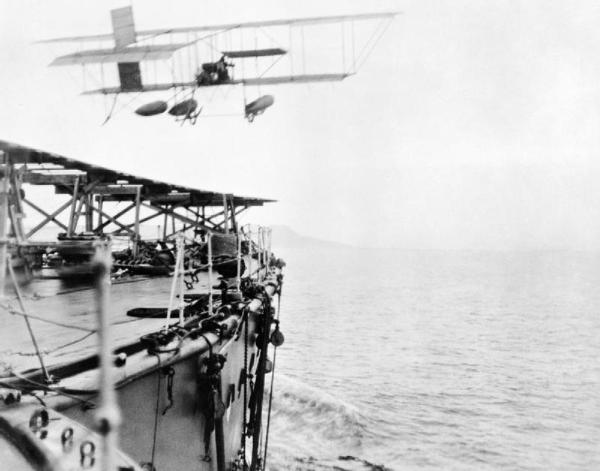
As soon as the Wright brothers took to the skies in 1903, one huge leap forward for mankind was made. Aviation soon became an international obsession, as American and European pioneers risked their lives to further refine the art of flight and secure new records. As with every developing technology at the time, the military also started looking into aviation as a potential asset. In 1910, the U.S. Navy took home the honour of launching, for the first time, a plane from a warship, as Eugene Ely took off from the USS Birmingham. The Royal Navy couldn’t afford to trail behind and initiated its own enquiries into aviation. By the outbreak of World War I, the navy could boast its own Royal Naval Air Service, possessing a respectable fleet of aircraft and airships capable of carrying out a myriad of tasks. It was, however, a long and winding road to get there. This is the story of the humble beginnings of the Royal Naval Air Service during those defining years of the dawning 20th century.

Not such Jolly Tars: The Spithead and Nore Mutinies of 1797

The Spithead and Nore mutinies of 1797 are generally considered as one of the darkest chapters from the Royal Navy's history, when two fleets of the navy refused to sail out. The mutinies rank among the most significant instances of collective resistance in eighteenth-century Britain, yet they have been comparatively overlooked in recent historical scholarship. Callum Easton contests the dominant interpretation that views these events as revolutionary uprisings, contending instead that the mutineers were primarily driven by their own sense of “fairness” and the pursuit of just pay. In doing so, it offers a lens through which to examine core aspects of British society, including ideas of mutual rights and obligations, and the relationship between the state and its citizens.

The Abandoned Admiral: Brave Benbow’s Last Fight 

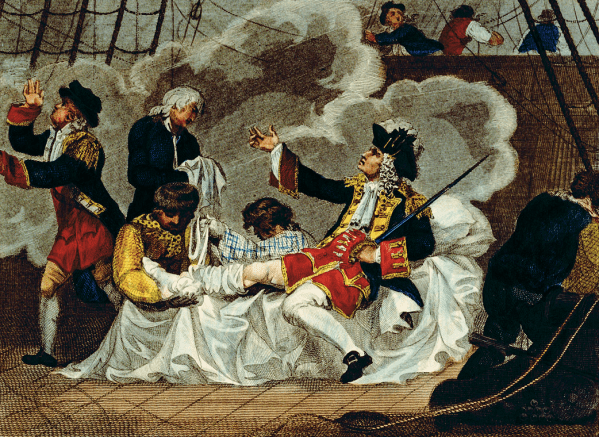
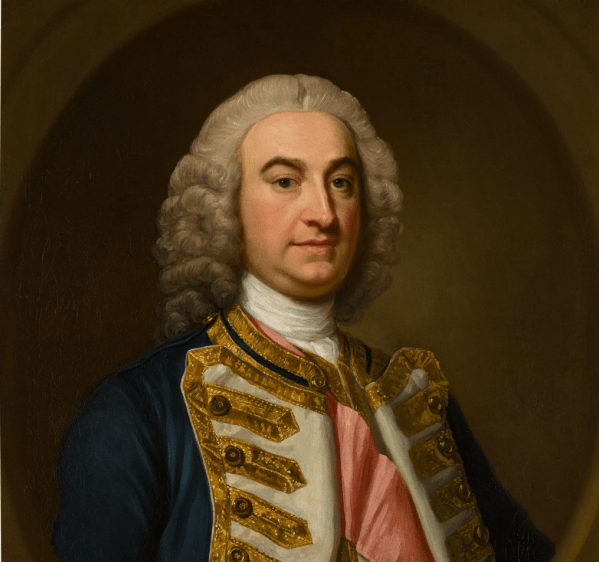
When England went to war with the Franco-Spanish alliance, led by the Bourbon royal house, the first concern of the island nation was the situation in the West Indies. Taking advantage of his kinship with the new Spanish monarch, French king Louis XIV managed to secure many trading privileges which allowed France to profit immensely from the mythical wealth of the Spanish main to the detriment of Dutch and English merchants. The Admiralty decided to commission one its most potent commanders to take care of the pressing situation across the Pond: Vice-Admiral John Benbow. For all his heroics, his campaign in the Caribbean would end in betrayal and disappointment.

A Disappointing Triumph: Wager’s Action, 8 June 1708

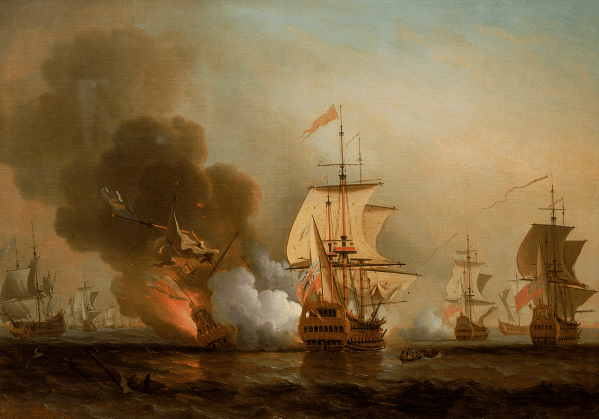
"Once the pride of the Spanish Treasure Fleet, the only evidence of the stricken galleon’s existence was scattered timbers, illuminated by the last rays of the setting sun, gently brushing against one another and marking the graves of some six hundred men, now embraced by the eternity of the deep blue."

Sir Edward Pellew and the Wreck of the Dutton, January 1796

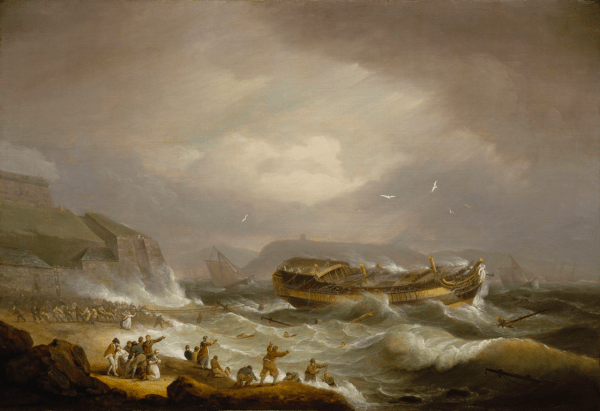
In January 1796, the East Indiaman Dutton was wrecked in Plymouth Sound while carrying hundreds of troops for a military expedition to the West Indies. The exact number of lives lost was never determined, but although it may have been as many as twenty, it was thankfully hundreds fewer than it might have been—thanks to the exertions of Captain Pellew.

The Failed British Invasion of the Netherlands, 1673

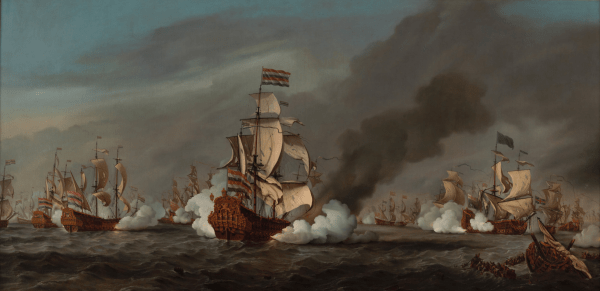
In this piece, J.D. Davies takes a closer look at the planned English invasion of the Netherlands in 1673, which was abandoned after the Battle of the Texel. Forgotten by history, its objective was nothing less than the destruction of the Netherlands as an independent nation, and the transformation of at least one of its two principal maritime provinces into a puppet state under English control.

Create a website or blog at WordPress.com

Up ↑