

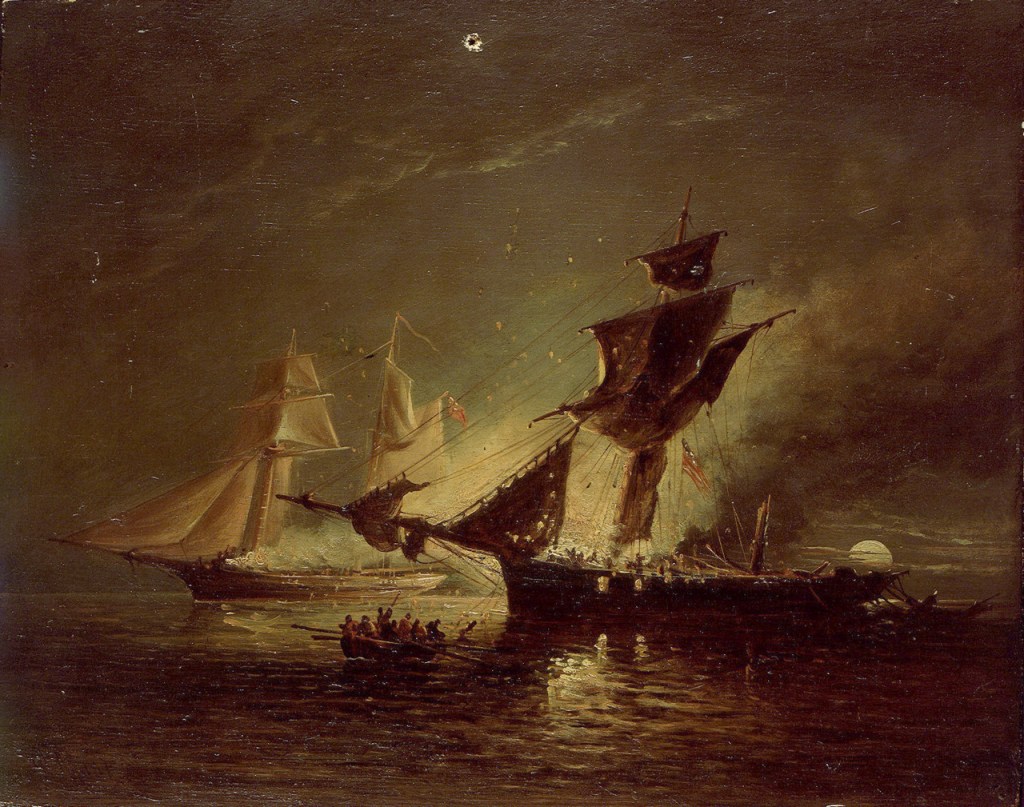
On 25 March 1807, the United Kingdom abolished the slave trade. More than two decades later, slavery was abolished altogether in the British Empire through the Slavery Abolition Act of 1833. More than 800,000 individuals were freed from slavery with immediate effect in Canada, South Africa, and the Caribbean. The United Kingdom used its most valuable instrument, the Royal Navy, to enforce the ban on the slave trade. Between 1807 and 1860, the West Africa Squadron intercepted around 1,600 slave ships and liberated over 150,000 Africans from the grim fate of slavery.
Since the “discovery” of the New World in 1492, European nations required a massive workforce to exploit the mines and plantations that emerged across the American colonies. The Native American population had been decimated by disease, and the forced labor of Indigenous peoples faced increasing criticism. In response, the nascent European colonial empires turned to Africa for their laborers. On this continent, a well-established and highly efficient slave trading network had been in place for centuries. The Europeans settled along the coastline and purchased numerous enslaved individuals captured inland primarily through tribal warfare.
According to the Trans-Atlantic Slave Trade Database, an estimated 12.5 million men, women, and children were forcibly transported to the Americas between the 16th and 19th centuries, condemned to lives of degradation, mistreatment, and inhumanity. Nearly 2 million are believed to have perished under the abhorrent conditions of the Middle Passage.
Britain was among the nations that relied heavily on enslaved labor, particularly for the highly lucrative sugar plantations in the Caribbean. However, by the early 19th century, the general public, along with several influential individuals, began to voice their disapproval of the practice more vocally. Various factors contributed to this shift, including increasing moral objections to the blatant inhumanity of slavery.
Additionally, fears of uprisings, such as the famous and successful slave rebellion in French-controlled Haiti, heightened resentment toward the institution of slavery. Another major, though often overlooked, factor was the declining economic value of the slave estates in the Caribbean. New and larger plantations in Cuba and Brazil began to outcompete British ones in the West Indies. British merchants, seeking access to cheaper and more abundant products from these American estates, increasingly advocated for free trade. Consequently, Caribbean slave plantations became economically obsolete.
After the Slave Trade Act of 1807, the West African Squadron, also known as the Preventive Squadron, was established to combat the Atlantic slave trade conducted by British subjects. Initially, two ships were dispatched to patrol the waters off the African coast, tasked with intercepting British vessels transporting enslaved people from West Africa to the Americas. The squadron faced significant challenges, including a severe shortage of ships and manpower needed to carry out its mission effectively. At the time, much of the Royal Navy’s resources were already committed to combating Napoleon. As a result, the Admiralty decided to enlist privateers to assist in the effort.
The privateer Dart was the first British ship to capture slavers in 1810. It was soon joined by another privateer, the Kitty, in efforts to intercept and apprehend these cargo ships. Operating under letters of marque, these privately owned vessels received bounties for each captured slaver. However, the limited number of privateers operating in Africa and the short duration of their involvement suggest that the venture was not profitable enough to attract additional captains to join the effort.
After their victory against Napoleon, Britain was ready to take the anti-slave trade campaign more seriously. Foreign Secretary Viscount Castlereagh ensured that a declaration against the slave trade was included in the rulings of the Congress of Vienna in 1815, compelling the major European nations to take active measures against the practice. However, a significant flaw in the declaration was its stipulation that only ships carrying enslaved individuals would be fined, allowing slavers without human cargo aboard to go free. This loophole had a tragic consequence: many captains brutally threw enslaved individuals overboard at the sight of a British warship on the horizon to avoid paying the fine.
When captured, the captains and crews of slave ships were prosecuted by special courts established along the African coast. A Vice Admiralty Court was established in Freetown, Sierra Leone, in 1817, along with several Mixed Commission Courts. If found guilty, the ships used by these slave merchants were seized as prizes.
In 1818, Sir George Ralph Collier was sent with the 36-gun HMS Creole to the Gulf of Guinea to command the West African Squadron, which consisted of only six ships—a meager number for the task that lay ahead: patrolling 3,000 kilometers of coastline. The infrastructure of the anti-slavery squadron was expanded in 1821 with the establishment of Ascension Island as a supply depot. In 1832, Cape Town became the new supply depot for the squadron.
The slavers responded to the Royal Navy’s intervention by using faster ships that could outsail their opponents. Baltimore clippers, known for their incredible speed, were seen as the most suitable design for use as slavers. The Royal Navy countered by using clippers themselves. One such vessel was the successful HMS Black Joke, which freed thousands of enslaved individuals. The later addition of many paddle steamers to the squadron put the British one step ahead again, as these vessels were capable of catching slavers in adverse weather and shallow waters.
Efforts by the Royal Navy were increased, and by 1850, around 25 vessels were operating off the West African coast with the squadron. Through diplomacy, Britain obtained the right to halt and search ships of other nations as well. Other countries soon contributed to the operation, with the US sending a few warships to assist the British. The Admiralty expanded its efforts to stop the global slave trade, with warships now also operating in the Mediterranean and Indian Oceans.
In total, between 1807 and 1860, the West Africa Squadron seized around 1,600 slavers, liberating approximately 150,000 African individuals bound for the Americas. One unfortunate aspect of the story was that many liberated individuals were forced to stay aboard the ships in appalling conditions until British bureaucracy could sort things out. Many of these Africans did not return to their home countries and ended up in the British colonial military forces and the Royal Navy. Others were dropped off in various British colonies, where they were absorbed into the workforce of local industries and agriculture, often under conditions reminiscent of slavery. Meanwhile, on the British side, conditions aboard the anti-slavery ships were horrific, with diseases such as yellow fever and malaria claiming around 1,600 lives.
Britain’s effort to stop the slave trade truly deserves recognition. It was an important step in the global fight against slavery. Although they were not the first to outlaw the practice (Denmark preceded them), an influential nation like the United Kingdom—with its reach and power—sent a strong message worldwide and encouraged other nations to follow its lead. The operation cost the government millions but successfully disrupted the trade, with some estimates claiming that up to 10% of slavers were captured, enough to dissuade other merchants from participating in the business.
Olivier Goossens
 Heart of Oak
Leave a comment