

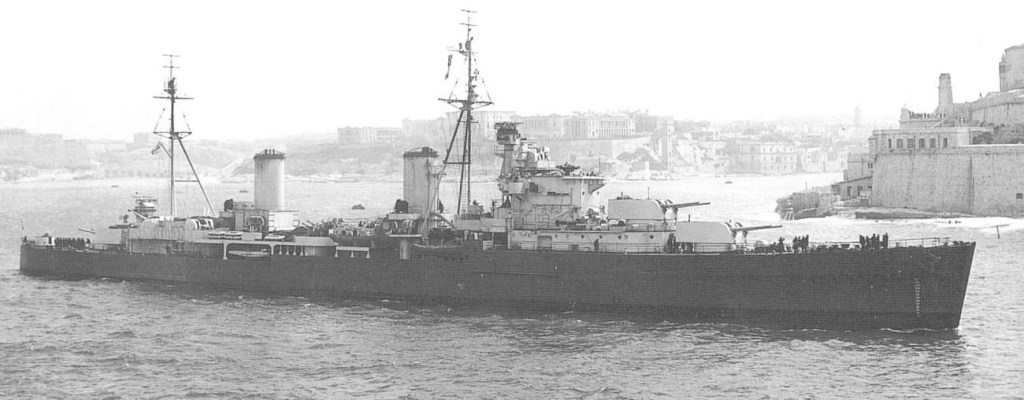
On 12 October 1941, the Arethusa-class light cruisers HMS Penelope and Aurora departed Scapa for Malta, forming the core of Force K. Arriving on 21 October, they quickly began missions to intercept enemy convoys, initiating a challenging and eventful period of operations. Both ships were pushed to their limits, tirelessly supporting Allied efforts in the Mediterranean and working to disrupt Axis forces in North Africa.
On 8 November 1941, Force K, consisting of Aurora, Penelope and two L-class destroyers, HMS Lively and Lance, intercepted an Italian convoy spotted off the South Italian coast. In the ensuing Battle of the Duisburg Convoy, they sank one destroyer (Fulmine) and all seven merchant ships by 9 November. A further two Italian destroyers were damaged. This was quite a feat since the convoy was heavily guarded by two heavy cruisers and ten destroyers!
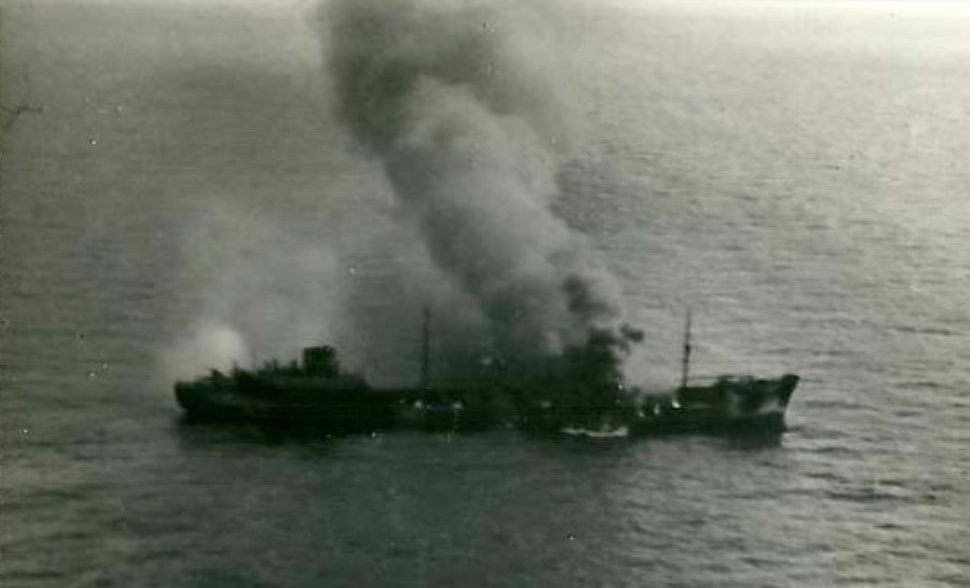
Force K struck again on 23 November 1941, intercepting another enemy convoy 100 nautical miles west of Crete. The convoy, bound for Benghazi to reinforce Rommel’s Afrika Korps, lost two German transports, Maritza and Procida, sunk by HMS Penelope and HMS Lively. On 1 December, Force K targeted the Mantovani Convoy, sinking the merchant vessel Adriatico, the destroyer Alvise da Mosto, and the tanker Iridio Mantovani, earning commendation from the First Sea Lord.
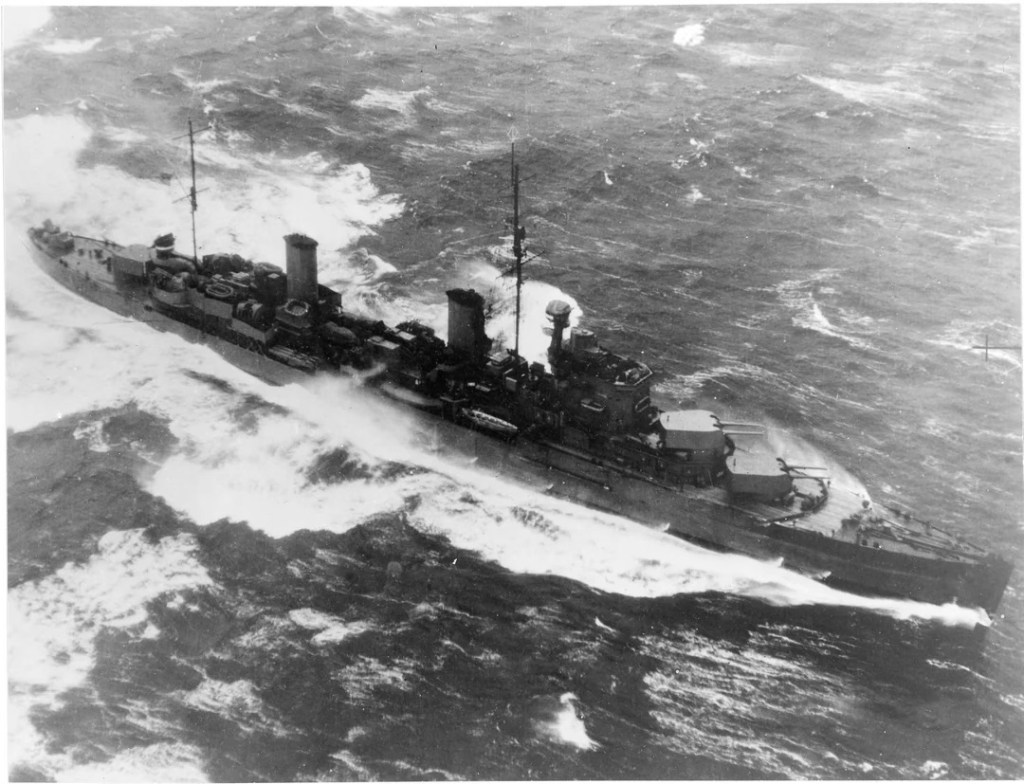
On 19 December 1941, HMS Penelope and Aurora each struck a mine off Tripoli. Penelope sustained only minor damage and rejoined Force K in January 1942. Aurora, however, was heavily damaged and did not return to service until late 1942 with Force H. In the same minefield, the cruiser Neptune and the destroyer Kandahar were lost.
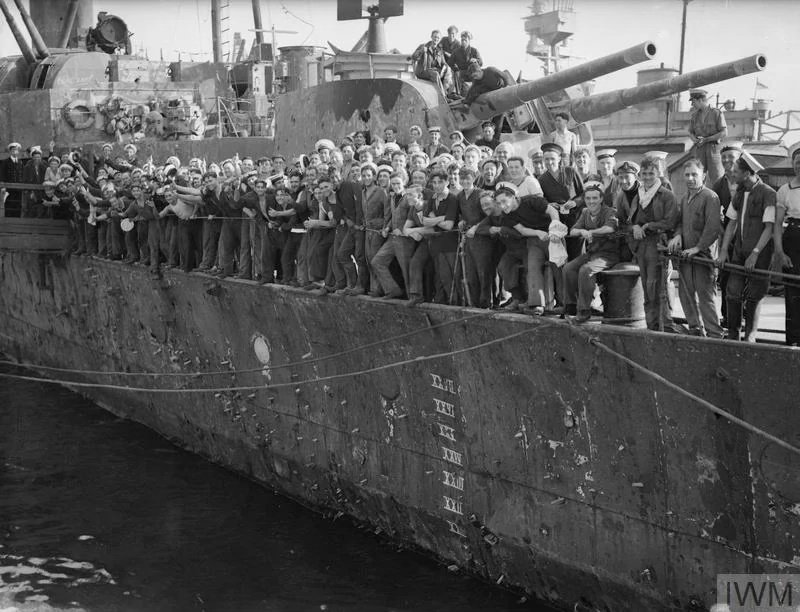
In early 1942, HMS Penelope participated in several convoy escort operations, including assisting the supply ship HMS Breconshire in March. She towed Breconshire and secured her to a buoy in Marsaxlokk Harbour, but sadly, Breconshire was bombed and sunk by Axis aircraft a few days later. During air attacks on Malta on 26 March, Penelope sustained extensive shrapnel damage while docked at the Malta Dry Docks, earning the nicknames “HMS Pepperpot” and “HMS Porcupine.”
On 8 April 1942, Penelope departed Malta for Gibraltar, enduring repeated air attacks en route. Despite further damage, she arrived on 10 April to a congratulatory signal: “True to your usual form. Congratulations.”

It was decided to send Penelope to the United States for further repairs at the New York Navy Yard, which were completed by September. She returned to Portsmouth, England, on 1 October. At a Buckingham Palace investiture, the King honored 21 of Penelope’s officers and crew as “Heroes of Malta,” bestowing awards that included two Distinguished Service Orders, a Distinguished Service Cross, and two Distinguished Service Medals.
Later, HMS Aurora and Penelope crossed paths again. On 10 July 1943, as part of the conquest of Sicily, they carried out a diversionary bombardment of Catania and subsequently shelled the railway station at Taormina. Later that year, they operated together in the Aegean, preparing for a potential Axis attack on Kos.
The valiant HMS Penelope was tragically sunk off Naples on 18 February 1944 following an attack by U-410. HMS Aurora survived the war and was sold to the Chinese Navy in 1948.
Olivier Goossens
 Heart of Oak
Leave a comment